
Brand Identity for Growth: How Branding Drives SEO, Leads, and Retention
Learn how strong brand identity improves SEO, boosts AI visibility, increases conversions, and builds long-term customer loyalty—turning clarity into measurable growth.
Brand identity has evolved into a core growth infrastructure - a system that determines how:
Search engines interpret your business
AI systems decide whether to cite you
Customers decide whether to trust you
In today’s environment, brand identity for growth is no longer optional - it is foundational.
This shift is being accelerated by AI-driven search. Today, users are no longer just browsing results - they’re consuming AI-generated answers. And those answers rely on a limited set of trusted, clearly defined brands.
AI-driven search is rapidly increasing its influence across search behavior, reshaping how visibility is earned.
At Make My Brand, we’ve seen that companies scaling today are not just optimizing for traffic - they are building clear, consistent, and credible brand systems.
This article explores how strong brand identity directly impacts:
SEO visibility
Lead generation
Customer retention
The Foundation: What Defines a Strong Brand Identity
A strong brand is no longer just a design system - it is a multi-layered signal system that aligns messaging, perception, and machine readability.
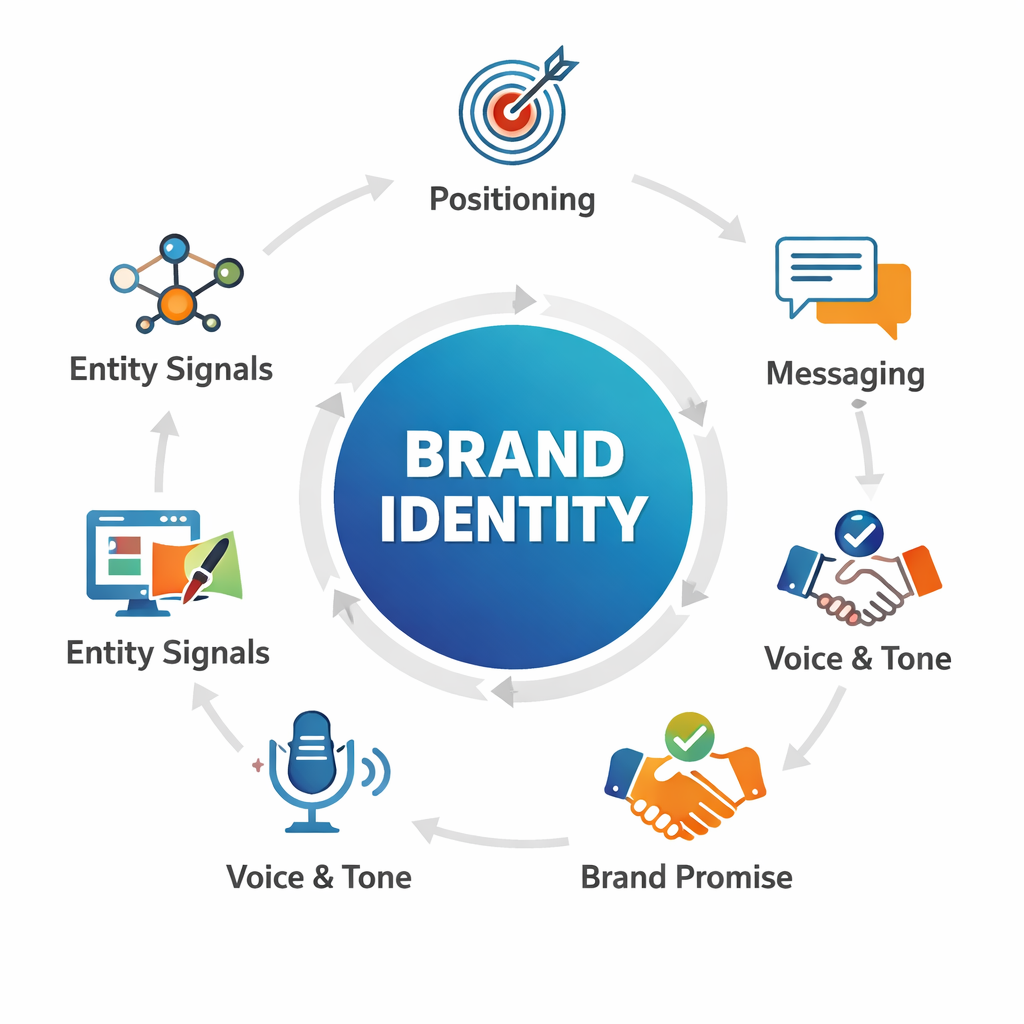
This is what enables brand identity for growth, where clarity translates directly into visibility and performance.
Core Components of Modern Brand Identity
1. Brand Positioning
Positioning establishes your market relevance. Without a strong positioning, SEO gets fractured because your content attempts to address too many intents without a single unified narrative.
Strong positioning is the foundation of brand identity and SEO, enabling consistent topic ownership and stronger ranking signals.
2. Brand Messaging Architecture
Messaging is how your positioning translates into language. It includes:
Value propositions
Core narratives
Problem-solution framing
Search algorithms are increasingly relying on semantic consistency to determine relevancy. When brand messaging is consistent across multiple domains, it develops topical authority and increases ranking stability.
This alignment strengthens brand identity and SEO, improving how search engines interpret relevance.
3. Brand Voice and Tone
Voice is how you sound consistently.
Tone is how you adapt that voice contextually.
This consistency supports branding for conversions, as clarity reduces hesitation during decision-making.
In AI-driven search, this matters more than ever. Large language models identify patterns in phrasing, structure, and clarity. Brands with a consistent voice are easier to interpret, summarize, and cite.
4. Brand Promise
This is the expectation you set - and repeatedly deliver. In the AI era, this directly affects:
Click-through decisions
Conversion intent
Customer expectations
Reviews
Sentiment analysis
AI-generated brand perception
Even recent findings show that AI systems can reflect negative sentiment toward brands based on historical signals, making reputation management a critical branding growth function. A strong brand promise also strengthens brand loyalty strategy, reinforcing long-term trust and repeat engagement.
5. Visual and Experience Design
Design still matters - but not as decoration. It acts as a trust signal architecture, influencing:
Perceived credibility
Engagement behavior
Conversion likelihood
6. Entity Signals
Search engines and AI models now treat brands as entities, not just websites. Key signals include:
Consistent brand mentions across the web
Structured data (schema markup)
Author credibility and attribution
Third-party validation (PR, reviews, citations)
These entity signals are critical for brand identity for growth, ensuring your brand is recognized and trusted across platforms.
How Brand Identity for Growth Impacts SEO?
The Shift: From Keywords to Entities and Brand Signals
Search engines now map brands as entities - connected to topics, services, and trust signals. Modern SEO evaluates:
Branded search volume
Brand mentions across the web
Content consistency and topical authority
Trust signals (reviews, citations, reputation)
This means your brand identity for growth directly affects how well search engines - and now AI systems - can interpret and rank you.
Key Ways Brand Identity Strengthens SEO
1. Improves Semantic Understanding
When your messaging is consistent, search engines can clearly map:
What your business does
Which topics you own
Which queries you should rank for
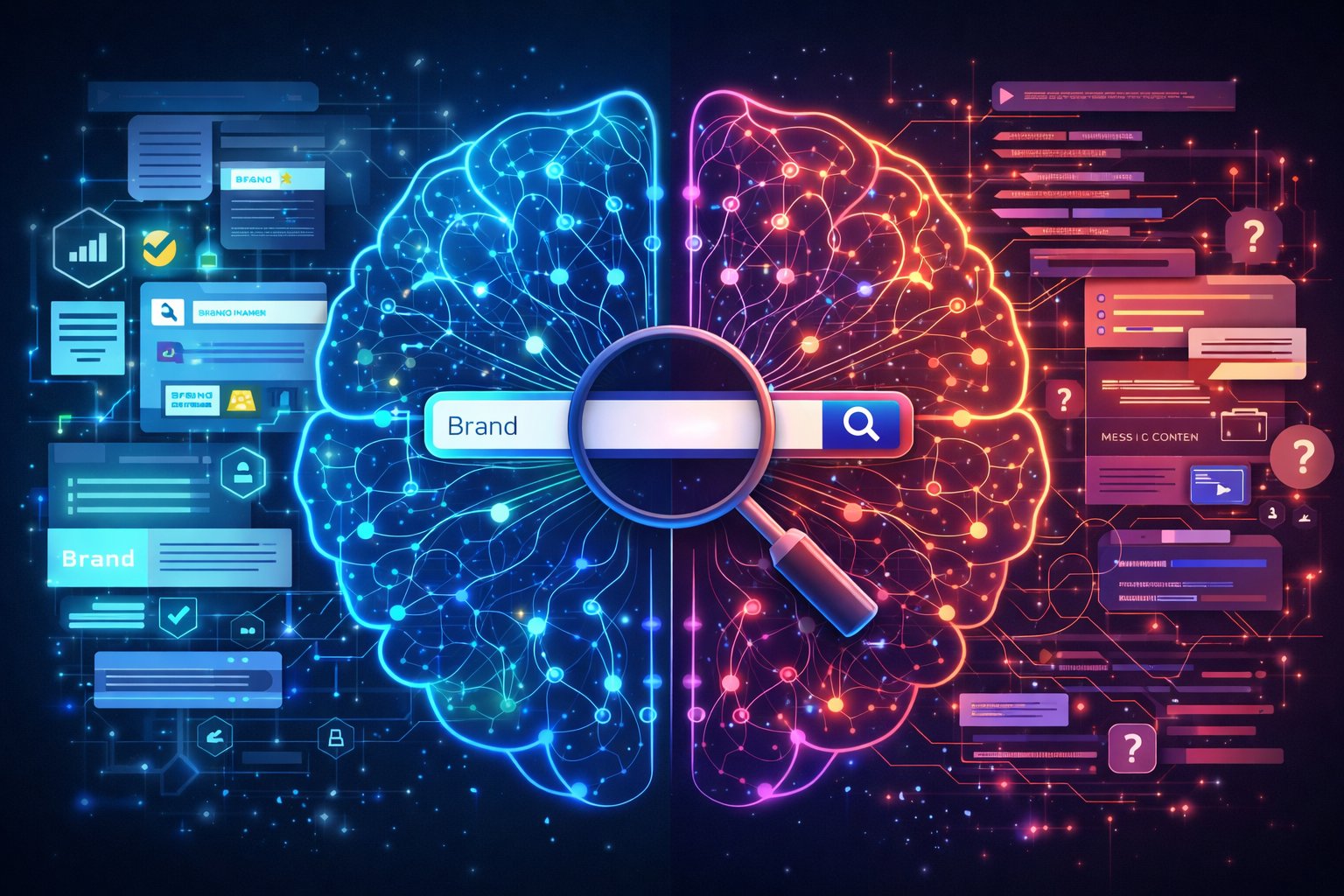
This strengthens semantic relevance, a critical ranking factor in modern SEO.
2. Increases Branded Search Demand
An emerging but critical trend: branded search demand is becoming a proxy for authority. When users actively search for your brand:
It signals trust and recognition
Improves click-through rates
Strengthens overall domain authority perception
Strong branding increases:
Direct traffic
Branded queries
Repeat engagement
Search engines interpret this as market trust, authority, and demand validation.
3. Strengthens Entity Recognition
Consistency across platforms such as websites, social sites, directories, & PR mentions building a unified entity graph. Search engines now treat even unlinked mentions as authority signals, not just backlinks.
4. Drives Visibility in AI Search
Brands with strong identity signals are more likely to:
Be referenced in AI summaries
Appear in knowledge panels
Retain visibility even without clicks
AI-driven search systems prioritize:
Clear structure
Trustworthy sources
Consistent expertise
This is where brand identity for growth directly connects with AI search visibility. This is why Generative Engine Optimization (GEO) is emerging as a new discipline focused on AI visibility.
Evidence From Real-World Growth
Integrated branding and SEO strategies consistently produce measurable results. In our own work at Make My Brand, aligning brand identity and SEO has delivered significant performance improvements.
For example:
Seasia Infotech experienced 472% increase in website sessions after-brand messaging, and SEO content was unified.
Another organization grew from zero organic traffic to over 11,000 users within six months by rebuilding its brand identity and implementing a structured content strategy.
These outcomes demonstrate a clear pattern:
When brand clarity and search optimization work together, organic growth accelerates.
Consumer behavior further reinforces the importance of branding growth in search. Recent industry research highlights that:
63% of consumers prefer mobile search when researching brands or services.
Nearly 20% of internet users rely on voice assistants to find brand information.
In other words, search has become the primary discovery gateway for modern brands. When brand messaging is recognizable and consistent, it encourages branded search queries, improves click-through rates, and increases trust during the discovery stage.
A well-optimized brand presence - across website content, metadata, structured data, and search listings - ensures that this high-intent traffic is captured effectively.
At Make My Brand, our BDLC (Brand Development Lifecycle) framework ensures brand identity is not just defined but structured for search engines, AI systems, and users - turning clarity into visibility and growth.
How Brand Identity Drives Branding and Lead Generation?
1. Builds Instant Trust (Reduces Decision Friction)
A strong brand identity plays a critical role in branding and lead generation, shaping how users perceive and act. When a user lands on your website or content, they make a judgment in seconds:
Is this credible?
Do I understand what they do?
Can I trust them?
A strong brand identity answers all three instantly through:
Clear positioning
Consistent messaging
Professional and cohesive design
This reduces hesitation and increases the likelihood of action.
Without strong identity: users “think” before acting,
Meanwhile, with strong identity: users “feel confident” acting.
That confidence is what converts visitors into leads.
2. Attracts Higher-Intent Traffic
Strong brand identity improves who you attract, not just how many people. When your messaging is clear and consistent:
You rank for more relevant queries
Your content aligns better with user intent
You attract users already aligned with your offering
This means:
Less unqualified traffic
More high-intent visitors
Higher conversion rates
In short, brand identity filters your audience before they even click.
3. Increases Click-Through Rates (CTR)
Users don’t always click on the top result - they click on the most trusted result. A recognizable and well-positioned brand:
Stands out in search results
Feels safer to click
Signals authority even without #1 ranking
This directly increases:
Organic CTR
Paid ad performance
Engagement across channels
More clicks from the right audience = more lead opportunities.
4. Creates Message Consistency Across the Journey
One of the biggest reasons leads drop off is message mismatch. For example:
Ad promises one thing
Landing page says something else
Website feels disconnected
A strong brand identity ensures:
Same tone, promise, and positioning everywhere
Seamless experience from discovery to conversion
This continuity builds trust across touchpoints and keeps users moving forward instead of dropping off.
At Make My Brand, aligning messaging across the entire funnel is a core part of improving lead quality and conversions.
5. Improves Conversion Rates Through Perceived Authority
Authority is a key driver of branding for conversions. People convert when they believe:
You know what you’re doing
Others trust you
You can deliver results
Brand identity reinforces this through consistent expertise in content, strong visual credibility, and clear, confident messaging.
This creates perceived authority, which is a major driver of conversions.
6. Supports Full-Funnel Conversion (TOFU → BOFU)
Strong brand identity allows you to guide users across the entire journey:
Top of Funnel (TOFU):
Educational content builds awarenessMiddle of Funnel (MOFU):
Consistent messaging builds trustBottom of Funnel (BOFU):
Clear positioning and proof drive conversion
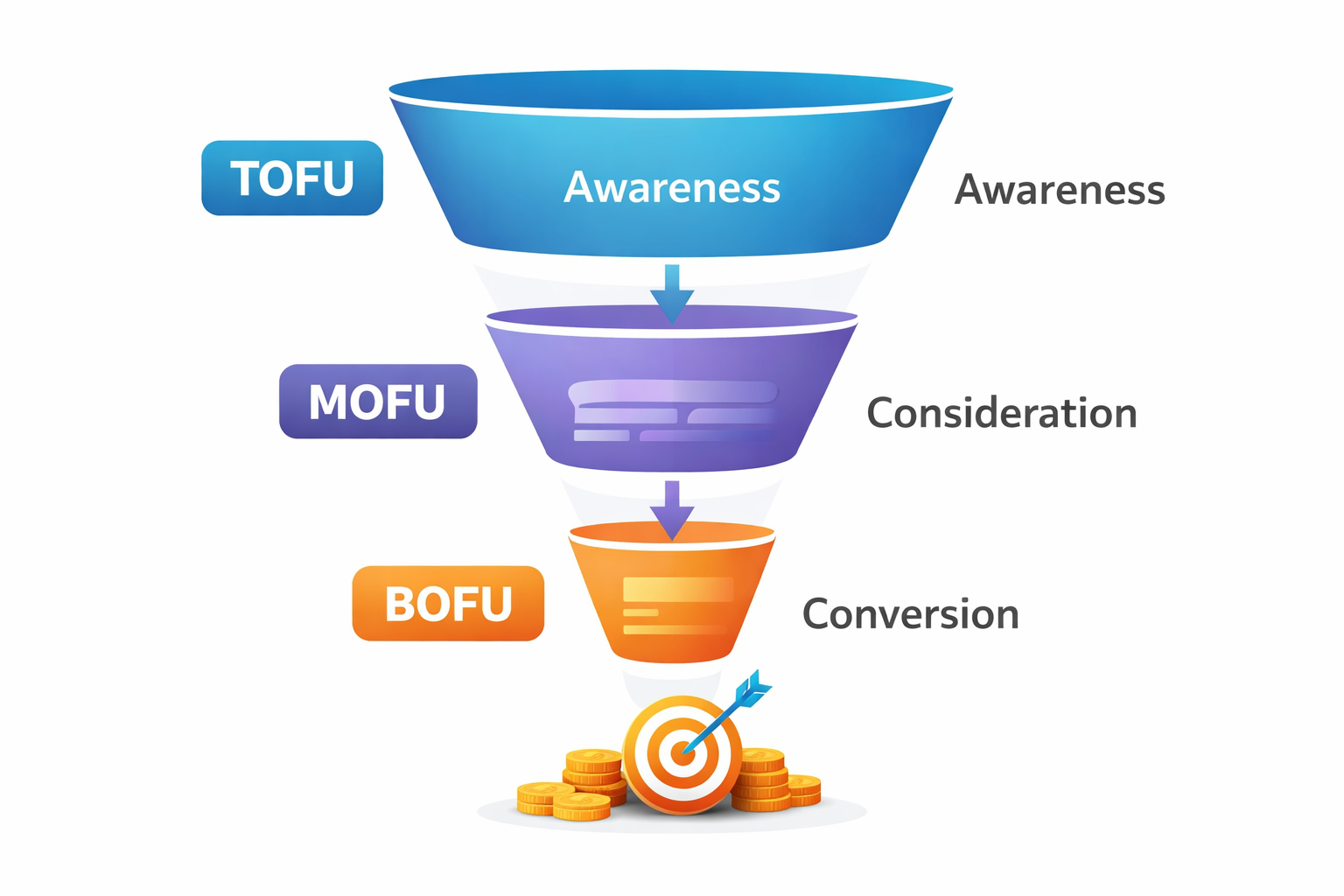
Without a strong identity, this journey feels fragmented. With it, the journey feels intentional and persuasive.
Most businesses try to increase leads by:
Driving more traffic
Running more ads
Publishing more content
But the real leverage lies in improving how well existing traffic converts.
That’s exactly what strong brand identity does.
The Real Equation:
Strong Brand Identity → Higher Trust → Better Engagement → More Conversions → Increased Leads
How Brand Identity Drives Brand Loyalty?
A strong brand identity is central to an effective brand loyalty strategy. It creates familiarity, emotional connection, and predictability - three psychological drivers that reduce churn and increase lifetime value.
1. Identity Creates Familiarity → Familiarity Builds Preference
Humans are wired to prefer what they recognize. When a brand maintains:
Consistent messaging
Recognizable tone of voice
Cohesive visual and experiential identity
It becomes easier for customers to recall and return.
This is known as the mere exposure effect - the more people encounter a consistent identity, the more they trust and prefer it.
2. Consistency Reduces Decision Friction
Retention is often lost in moments of uncertainty:
“Will this brand deliver the same quality again?”
“Is there a better option?”
A strong brand identity removes that friction by signaling:
Reliability
Predictability
Stability
When expectations are consistently met, customers stop evaluating and start repeating behavior.
3. Brand Promise Builds Long-Term Trust
Your brand identity is not just what you say - it’s what you consistently deliver. A clearly defined brand promise, reinforced across:
Product experience
Customer service
Communication
creates a trust loop. Every fulfilled expectation strengthens belief in the brand.
4. Emotional Connection Drives Loyalty
Satisfied customers may still switch. Emotionally connected customers don’t. Strong brand identity creates emotional resonance through:
Storytelling
Values and positioning
Relatable voice and tone
Customers begin to feel aligned with the brand - not just transactional with it, resulting in stronger brand loyalty. This is a critical driver of brand loyalty strategy.
5. Identity Reinforces Perceived Value
Retention is not just about experience - it’s about how that experience is perceived. Two brands can deliver similar outcomes, but the one with stronger identity:
Feels more premium
Feels more trustworthy
Feels more “worth it”
This perception allows brands to:
Retain customers even at higher price points
Increase average order value
Reduce churn driven by price comparison
6. Identity Drives Advocacy → Advocacy Reinforces Retention
Customers who trust a brand don’t just return - they recommend it. When customers:
Share your brand
Talk about your experience
Refer others
They psychologically reinforce their own decision to stay loyal.
This creates a loop:
Usage → Satisfaction → Advocacy → Stronger Brand Loyalty
The Retention Flywheel Driven by Brand Identity
When brand identity is strong, retention becomes a compounding system:
Clear Identity → Consistent Experience → Trust → Emotional Connection → Repeat Purchases → Advocacy → Stronger Brand Equity → Even Higher Retention
Emerging Trends: How Branding Is Driving Growth in 2026
1. AI Is Reshaping Discovery
AI is no longer assisting search - it is becoming the interface.
AI-generated answers now replace traditional link exploration
Brands must optimize for citation, not just ranking
2. Trust Is the New Ranking Factor
Search is shifting toward a trust-based economy. Signals that matter:
Authority mentions
Consistency across channels
Positive sentiment and reviews
Even AI systems can reflect brand sentiment - sometimes negatively - based on available data, making reputation management critical.
3. The Rise of Generative Engine Optimization (GEO)
Brands are actively optimizing for AI platforms, not just search engines. This includes:
Structuring content for AI comprehension
Building third-party credibility
Strengthening entity signals
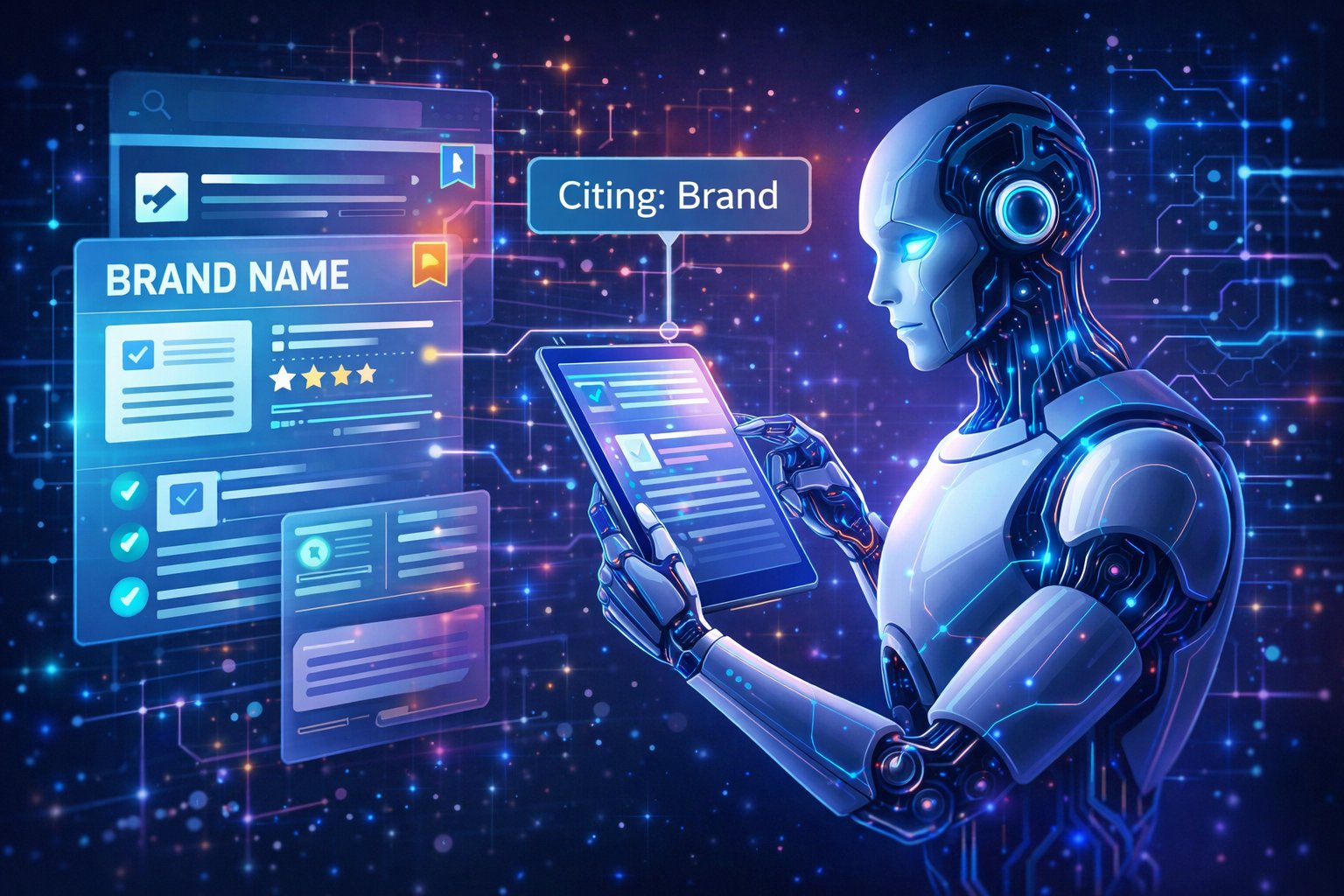
This shift marks a move beyond traditional SEO into AI visibility strategy.
4. Content Authenticity as Differentiation
With the rise of AI-generated content, generic content is losing its impact. Winning brands:
Demonstrate real expertise
Share original insights
Maintain a distinct voice
5. Multi-Platform Brand Presence
Search is no longer limited to Google. Discovery happens across:
AI tools
Social platforms
Community forums
Brands must maintain consistent identity across ecosystems to remain visible.
Framework: Turning Brand Identity Into Growth
1. Define Your Brand System
Positioning
Messaging architecture
Voice guidelines
2. Strengthens brand identity and SEO
Build topic clusters
Maintain semantic consistency
Map keywords to narratives
3. Optimize for AI Retrieval
Use structured formats (FAQs, summaries)
Implement schema markup
Create citation-worthy content
4. Build Authority Signals
Earn third-party mentions
Publish original insights
Strengthen author credibility
5. Design for Conversion
Reduce friction
Align UX with trust
Guide users clearly
Conclusion
Today, growth is driven by clarity of identity - how well your brand is understood by search engines, selected by AI systems, and trusted by users. A strong brand identity is what connects all three.
It helps search engines interpret your expertise, enables AI systems to confidently reference your content, and gives customers the confidence to choose - and stay with - you.
The formula remains simple - but more powerful than ever:
Strong identity → better search visibility → higher trust → more conversions → long-term retention
As search continues to evolve toward AI-driven discovery, this connection will only strengthen.
At Make My Brand, this shift is at the center of how growth strategies are designed. Instead of treating branding, SEO, and performance as separate functions, Make My Brand builds integrated systems where identity drives visibility, engagement, and conversion together.
If you're looking to scale visibility, leads, and retention in the AI era, book a strategy call with our team today.
Loading FAQs
Please wait while we fetch the questions...
Published on March 23, 2026 by Khushpreet Kaur