Rebrand vs Brand Refresh: Which One Does Your Business Really Need?
A brand refresh updates visuals and messaging to stay current, while a rebrand rebuilds identity, positioning, and perception from the ground up. Choose a refresh for modernization and relevance, or a rebrand when your business direction, audience, or reputation has fundamentally changed.
Every growing business eventually faces the question: rebrand vs refresh - which one does your brand really need? As markets evolve and customer expectations shift, brands must stay relevant, consistent, and aligned with their value.
At Make My Brand Labs, we help businesses identify whether a simple brand refresh is enough or whether deeper changes are required to stay competitive.
What Are Brand Refreshing and Rebranding?
A brand refresh is a modern upgrade to your existing brand identity. It keeps your core essence intact while updating your visuals, messaging, and tone to match current trends. If your brand feels slightly outdated- but still recognizable- a refresh helps you stay relevant without starting over.
The goal is to revitalize the brand’s appearance and communication while maintaining its established recognition and trust. It’s like giving your brand a stylish new outfit without changing who you are.
A rebrand goes beyond visuals and addresses the deeper layers of your brand—its purpose, positioning, and perception. Businesses choose this path when to rebrand becomes unavoidable due to market shifts, new audiences, or major strategic changes. A rebrand redefines how your business is understood and experienced.
The goal is to create a new identity that better reflects who the brand has become and where it’s heading. Essentially, rebranding is about starting fresh while retaining the lessons and equity of the old brand.
Rebrand vs Refresh: What’s the Difference?
The table below summarizes the key differences between a brand refresh and a rebrand:
Aspect | Brand Refresh | Rebrand |
Purpose | To modernize and realign your brand visuals and messaging while preserving brand equity. | To redefine the brand’s identity, positioning, and perception from the ground up. |
Scope of Change | Minor to moderate — logo refinement, color updates, typography, and messaging tone. | Major — new name, logo, brand story, market positioning, and communication style. |
Brand Identity | Remains the same — the refresh enhances recognition and relevance. | Transformed — a new identity replaces the old one entirely. |
Typical Goal | To keep pace with changing trends and audience expectations. | To realign the brand with a new business direction, or recover from a setback |
Risk & Cost | Lower risk — Less expensive (smaller budget needed) and less disruptive. | Higher risk — More expensive (often 5–10% of marketing budget) and disruptive, since it changes customer perceptions. |
Timeline | Shorter. Can often be done in a few weeks to months, depending on scope | Longer. Can take six months to a year and involves complete overhaul. |
Impact on Equity | Preserves existing brand equity and familiarity. | Resets or rebuilds equity. Can alienate old customers if not done carefully. |
When and Why to Refresh Your Brand?
A well-timed refresh can realign perception, reinforce trust, and open new market opportunities. But how do you know when it’s time and why to do it?
Your Visual Identity Feels Outdated
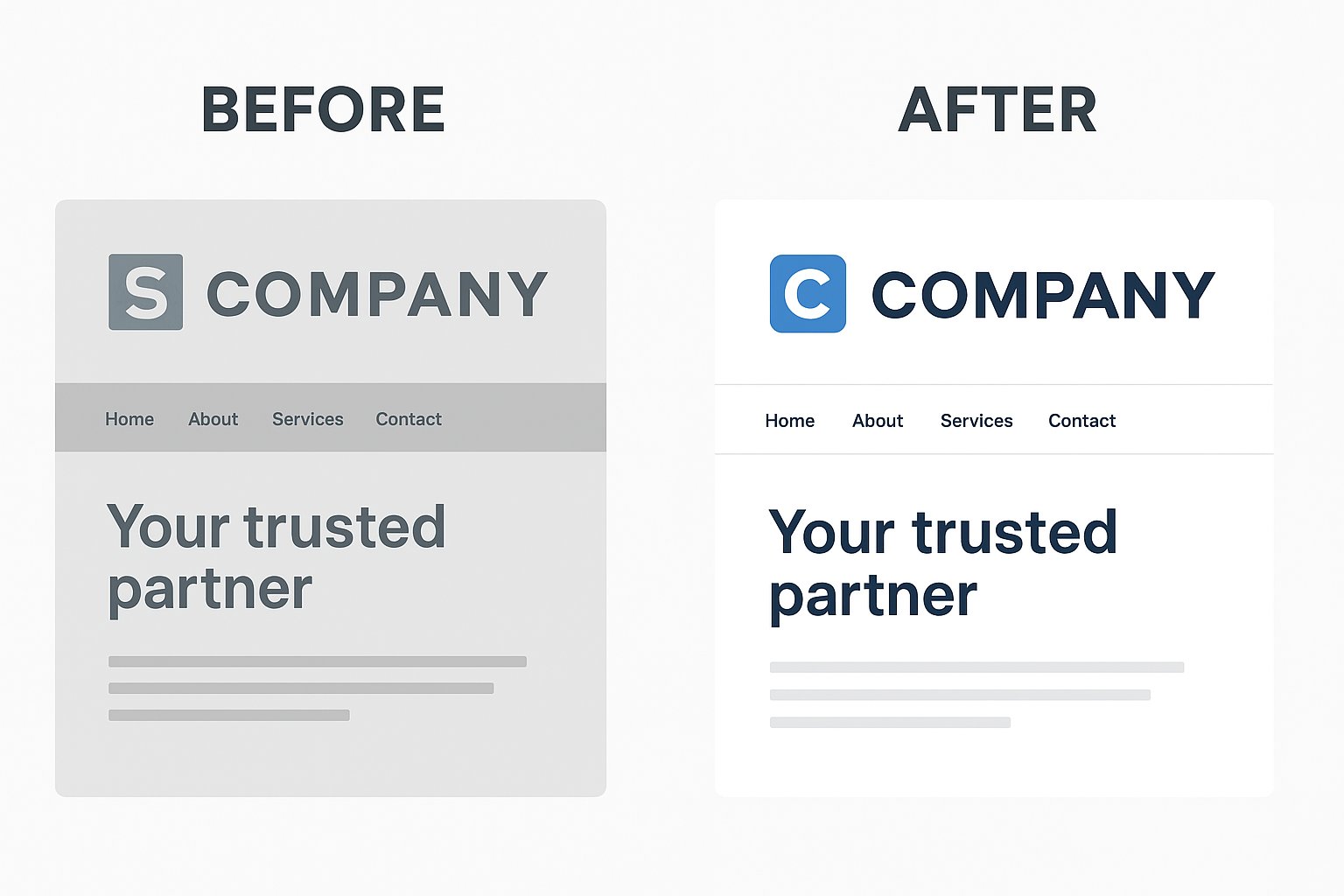
Design trends and digital interfaces evolve rapidly. If your logo, website, or visual identity hasn’t evolved in years, it could be signaling stagnation instead of strength. A visual refresh can instantly modernize perception and rebuild excitement around your brand.
Your Messaging No Longer Reflects Who You Are
As companies grow, their story often outpaces their communication. If your messaging still speaks to who you were instead of who you are now, you risk missing connection and credibility. A refresh allows you to refine your narrative with sharper intent and clarity.
Market Dynamics Have Changed
Industries transform, competitors reposition, consumer behavior evolves, and new technologies redefine customer engagement. When the market changes, your brand needs to adapt both visually and strategically to remain relevant and competitive.
You’re Targeting a New Audience Segment
Expanding into new markets or customer groups often requires rethinking how your brand communicates. A subtle refresh can help tailor your positioning without losing existing equity, bridging the gap between where you are and where you want to grow.
Your Internal Culture Has Evolved
Sometimes, the need for a refresh starts from within. As your organization’s culture, leadership, or values evolve, your brand identity should mirror that internal shift. Authenticity builds stronger connections - both internally and externally.
When and Why to Rebrand?
Organizations choose to rebrand when evolution isn’t enough - when the foundation itself needs to shift to reflect a new direction, purpose, or audience.
Here’s when and why rebranding becomes the right move:
Fundamental Business Change
When your business model, offerings, or value proposition shift significantly, your existing brand may no longer fit. A rebrand helps communicate your new direction clearly, ensuring your identity aligns with your strategic vision.
Merger or Acquisition
Mergers and acquisitions often combine diverse cultures, customer bases, and brand equities. A thoughtful rebrand unifies them under a single, cohesive identity, preserving trust while presenting a stronger, consolidated front.
Reputation Repair
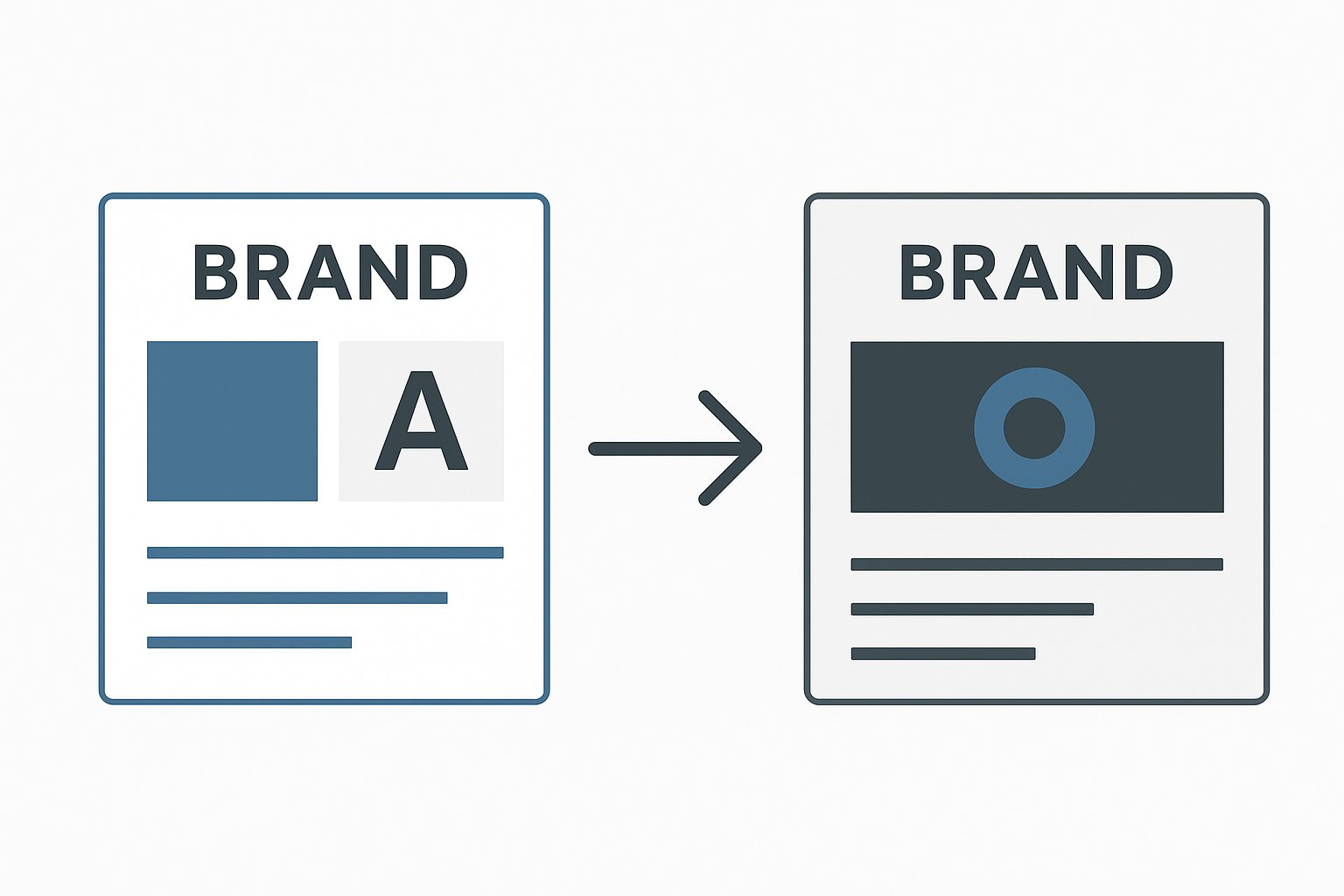
If your brand has faced credibility or perception challenges, rebranding can be a powerful step toward rebuilding trust. It’s not about masking the past but about signaling genuine transformation and renewed commitment to values and quality.
Brand Perception Issues
When customer perception drifts from your true strengths or aspirations, a rebrand can realign it. It allows you to reshape narratives, redefine your market position, and reconnect with audiences on a more meaningful level.
Leadership or Vision Change
A new leadership direction or evolved business philosophy deserves a brand that reflects it. At Make My Brand, we often guide businesses through this process, ensuring the rebrand authentically mirrors the new leadership’s clarity, ambition, and purpose.
International Expansion
When stepping into global markets, your brand must resonate across cultures and regions. Strategic rebranding can help localize your identity while maintaining a unified global presence, creating consistency without losing adaptability.
Moreover, a rebrand resets the brand from the ground up, and it can unlock new potential. For example, when the Make My Brand team overhauled the branding and digital presence for an AI/ML enterprise (MoogleLabs), the company saw website sessions rise 134% and user sign-ups jump 235%.
Read our AI/ML enterprise Case Study here
How to Refresh Your Brand?
When a refresh is the right path, the process is methodical and focused on refinement:
Audit current assets
Review your existing logo, color scheme, typography, and messaging. Determine which elements still resonate and which feel outdated.
Update visuals subtly
Make strategic logo refinements (e.g. simplifying details or modernizing style) rather than replacing it entirely. Refresh your color palette by adding a new accent or brightening core hues. Update fonts for better readability on digital devices.
Refine messaging
Modify your tagline or brand story to reflect current values and audience needs. Keep the same core message but express it in a fresh way.
Roll out changes consistently
Gradually update your website, marketing collateral, and social media with a refreshed design and copy. HubSpot advises giving your identity “a lift – not an entirely new look”, meaning loyal customers should still recognize the brand.
Measure impact
After the refresh, track key metrics (web traffic, engagement, sales) to ensure the updates resonate. Adjust as needed based on feedback.
How to Rebrand Your Company?
A full rebrand is a major endeavor that usually follows these steps:
Research & strategy
Start with deep research. Define a new positioning, target audience, and brand promise. This may include choosing a new brand name or redefining your mission and values.
New visual identity
Create a new logo and full visual system from scratch. Develop a cohesive color palette and typography that aligns with the new strategy. Craft updated brand messaging (mission statement, tagline, voice) that tells the new story.
Asset redevelopment
Rebuild all brand assets under the new identity. This includes redesigning the website, marketing materials, product packaging, signage, and more. Keep in mind that rebrands typically involve updating hundreds of assets across all channels.
Internal launch
Roll out the new brand internally first. Train employees for the new brand guidelines so they become ambassadors. Ensure everyone understands the reasons and vision behind the change.
Public rollout
Launch the rebrand externally with a coordinated campaign. Update all customer touchpoints at once (from websites to social profiles to advertisements) to avoid confusion. Clearly communicate the story behind the rebrand to customers and stakeholders.
Monitor results
After launch, track brand awareness, engagement, and business metrics to confirm the rebrand’s impact. Be prepared to fine-tune any elements based on feedback and performance.
Each scenario should be carefully evaluated. A refresh is about refinement – the foundation is solid, but the look and feel need an update. A rebrand is a transformation – you’re declaring a new direction. It can be put as: “A rebrand is surgery. A refresh is skincare”.
Key Considerations and Industry Insights
Budget and Timing
Industry data suggest that rebrands typically run 12–18 months and consume roughly 5–10% of annual marketing budgets. Refresh projects can often fit into existing cycles and budgets, making them a cost-effective way to stay current.
Brand Consistency
Consistent branding pays off. Whether refreshing or rebranding, ensure all touchpoints (digital, print, product design) are updated together to maintain a cohesive experience.
Customer Trust
Branding isn’t just aesthetic: it’s about trust. A refresh can reinforce trust by refreshing cues that customers already love. A rebrand must be handled even more carefully so you don’t lose that trust while aiming for a “new beginning.”
Conclusion: Choosing the Right Path
Ultimately, the decision between a refresh and a rebrand depends on your business needs. If your brand’s essence is still working but looks or sounds dated, a refresh is usually the smarter, lower-risk choice. If the business itself has fundamentally changed, or you need to shake the market, a rebranding will be justified.
As experts in branding, Make My Brand helps business leaders diagnose their situation: we start by clarifying goals and doing research, then recommending the right level of change. Remember that consistency and clear communication are vital: don’t alienate existing customers without reason.
At Make My Brand, our team has guided countless executives through big-brand decisions. Contact us for a consultation to determine whether a refresh or a rebrand will best strengthen your brand and fuel growth.
Loading FAQs
Please wait while we fetch the questions...
Published on December 19, 2025 by Khushpreet Kaur