
How Design & Development Bring Your Brand Promise Design to Life Online
Design and development transform your brand promise into digital experiences. When strategy, UX, and technology align, your website builds trust, strengthens credibility, and drives measurable growth. Every interaction, from visuals to performance, reinforces what your brand truly stands for online.
Every click, scroll, and interaction shapes how people perceive your brand. Within seconds of landing on your website, visitors decide whether you feel credible, professional, innovative, premium - or forgettable. And that judgment isn’t based on what you say. It’s based on what they experience.
This is where your brand promise design becomes critical- translating your commitment into real digital experiences.
At Make My Brand, we align strategy, design, and technology so that every interaction a customer has with your brand reinforces the same message: you can trust us.
In this blog, we’ll break down what a brand promise truly means, why it directly impacts trust and growth, and how aligning strategy, design, and technology turns that promise into measurable business impact.
What is a Brand Promise?
A brand promise is the clear, intentional commitment a brand makes to its audience about the value, experience, and standards they can consistently expect at every interaction.
It’s not a tagline or a marketing claim - it’s the expectation you set and repeatedly fulfill.
In simple terms:
What you say you will deliver, and what people trust you to actually deliver.
What a Brand Promise Really Means?
A strong brand promise answers three unspoken questions in the customer’s mind:
Why should I choose you over others?
What kind of experience will I get every time?
How will interacting with you make my life easier, better, or more valuable?
For example:
A luxury brand promises exclusivity, quality, and refinement
A tech platform may promise speed, reliability, and simplicity
A consulting brand may promise clarity, confidence, and measurable outcomes
The promise isn’t just verbal - it’s reinforced through design, tone of voice, UI/UX, product quality, and service behavior.
Why Brand Promise Matters?
A clearly defined brand promise:
Builds trust and credibility
Creates emotional connection
Sets expectations (and reduces friction)
Drives loyalty and repeat engagement
Differentiates you in crowded markets
When the promise is unclear - or worse, broken - confidence erodes quickly.
Brand Promise vs. Tagline (Important Difference)
Tagline: What you say publicly
Brand promise: What you consistently prove
The tagline can change. A brand promise should not.
Brand Promise vs Value Proposition
| Brand Promise | Value Proposition |
Focus | Emotional connection, trust, and reputation. | Functional benefits, features, and solving problems. |
Goal | Create long-term brand loyalty. | Persuade the customer to buy (conversion). |
A strong brand promise is supported by a compelling value proposition. While the value proposition lures the customer in, the brand promise ensures they stay.
How Brand Promise Shows Up Online?
Your website is often where your brand promise is tested first. It comes through in:
Visual identity (colors, typography, layout)
Messaging clarity
Ease of navigation and speed
Content usefulness
Consistency across pages and devices
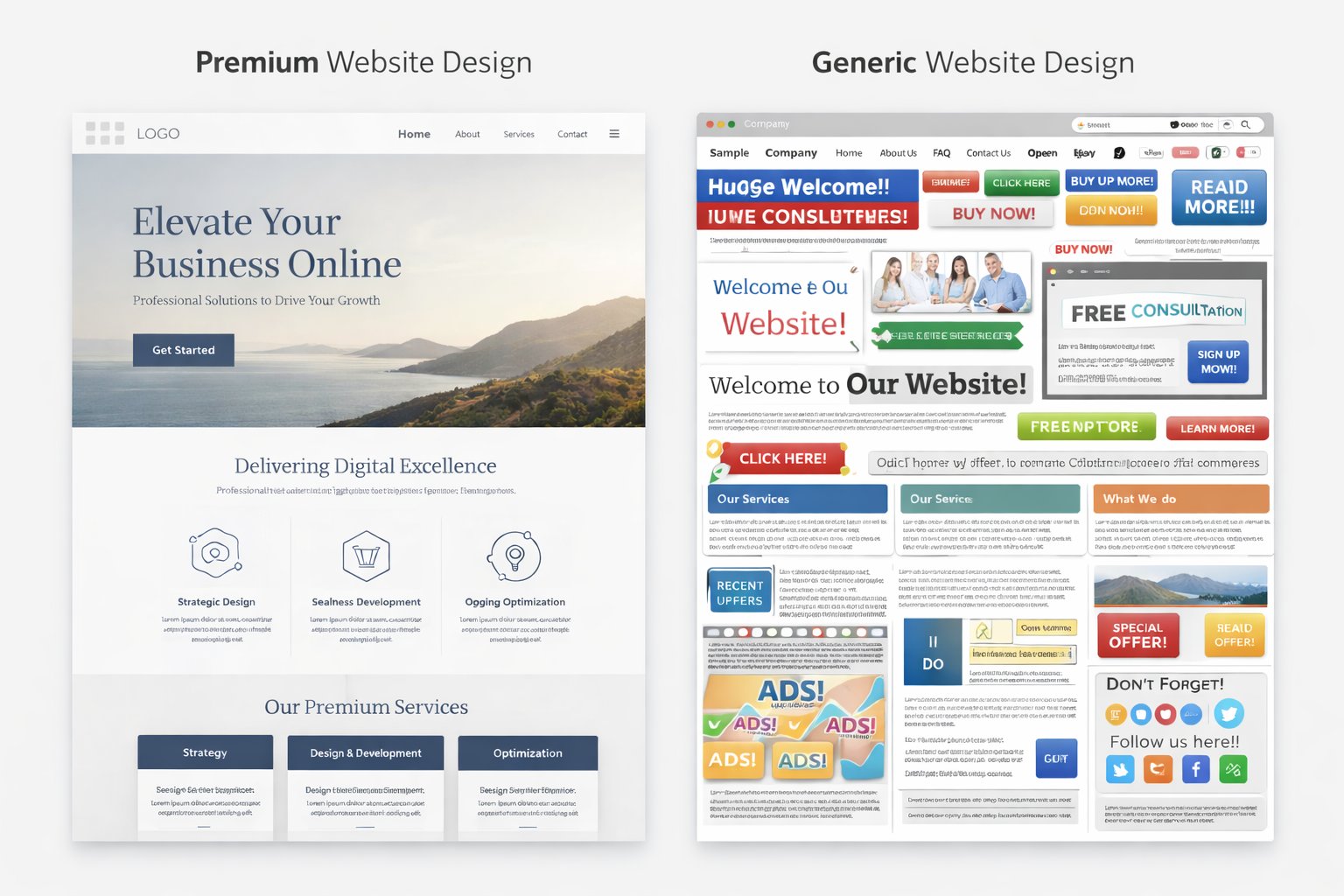
If your promise is “effortless” but the website is confusing, the promise breaks.
If your promise is “premium” but the design feels generic, trust weakens.
Basically, a brand promise is the experience people trust you to deliver - every time, everywhere.
Connecting Design Strategy to Your Brand Promise
Brand strategy isn’t just a marketing slogan – it’s the foundation of how customers experience your business. Strong brand promise design means translating that promise into visual, functional, and emotional cues across your website.
This is where Make My Brand approaches design as a strategic discipline rather than a purely aesthetic one. Every color, layout decision, and interaction is evaluated through the lens of what the brand is promising - and whether the experience is reinforcing or contradicting it.
Using our structured Brand Development Lifecycle (BDLC) and Growth OS, every design choice and technical decision is intentionally aligned to reinforce the brand’s core commitment.
A clear example of this approach is our work with Sky Hi Tech Academy. Their promise was clear: high-quality, career-aligned education delivered through an effortless enrollment experience.
Our execution
Make My Brand delivered a full-stack transformation, including:
Brand identity refinement
React-powered website redesign
SEO and technical optimization
Paid acquisition campaigns
Marketing automation and analytics
Data-driven performance reporting
Every decision was made to reduce friction, build trust, and reinforce the brand promise design.
The impact
6.4K+ organic active users
819 tracked leads
Up to 16.47% average CTR on top-performing campaigns
These results show what happens when a brand promise isn’t just communicated - but designed, engineered, and experienced.
Read the full case study here.
What This Looks Like in Practice?
A website that reflects its brand promise does so through deliberate design choices:
Color palette that mirrors brand personality
Typography that signals tone and positioning
Visual hierarchy that guides attention with intent
Imagery and messaging that reinforce brand values
When your website design branding consistently reflects your core values, visitors immediately understand what you stand for.
For instance, a premium brand might use elegant fonts and spacious layouts, while a brand promising innovation might showcase bold, modern visuals.
Consistency builds recognition: one study found that 55% of first impressions of a brand are driven by visual elements. By applying a unified style guide in your web design, you reinforce the brand promise at every click.
Delivering on Your Brand Promise Through User Experience (UX)
The user experience on your website is an extension of your brand promise. Customers notice when your experience matches your words. UX brand alignment – the practice of designing user interactions around your brand’s values – ensures this match.
For example,
If your brand promises “effortless service,” your site should
o load quickly
o have intuitive navigation
o and remove barriers (like long forms) that frustrate users
If your promise is about “trust and security,” your site should feature
o SSL certifications and secure payment gateways
o clear privacy notices
o and reliable user flows
These aren’t technical details - they are brand signals.
Data reinforces the importance of experience-led design. Salesforce reports that 80% of customers consider the experience a company delivers to be just as important as its products or services.
Even more telling, 88% say they are more likely to purchase again after a positive experience. In competitive digital environments, UX often becomes the deciding factor.
This is why, at Make My Brand, UX and development are treated as strategic tools—not afterthoughts.
In the Cars Centro project, over 40 mobile-first screens were designed to simplify browsing and reduce cognitive load. Features like VIN-based auto-fill and smart micro-interactions removed friction from the booking flow, while secure dashboards and transparent tracking reinforced trust throughout the journey.
Every interaction - from button behavior to content placement - was designed to quietly validate the brand promise.
Read the full case study here.
Designing UX That Builds Trust
Effective UX optimization focuses on:
Mobile responsiveness for consistency across devices.
Speed and performance to reduce frustration and drop-offs.
Clear layouts that guide users with intent.
Helpful, context-aware content that anticipates user needs.
Every interaction - down to micro-details like button behavior, spacing, and tone of voice - contributes to perception. When these elements are thoughtfully designed, the experience doesn’t just function well - it deepens trust and loyalty.
Best Practices: Aligning Design & Dev with Your Brand
To ensure your website truly reflects your brand promise, follow these guidelines:
Clarify and Document Your Brand Promise
Define your core commitment (e.g. “innovation,” “simplicity,” “trust”) and articulate it in your brand guidelines. This clarity will guide both designers and developers.
Create a Visual Identity System
Develop a style guide (logo, color palette, typography, iconography, and voice) that embodies your promise. Use these assets consistently.
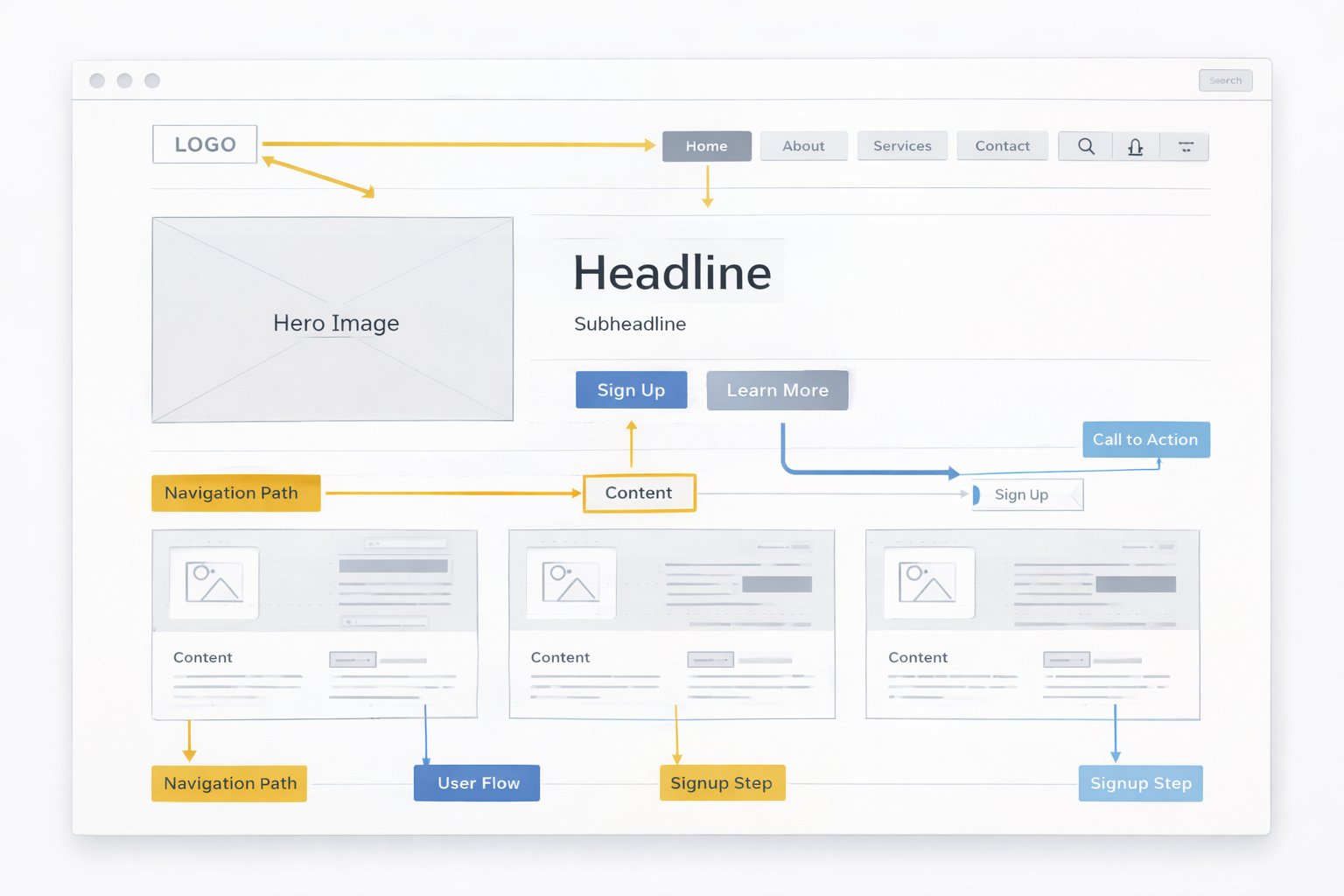
Design with UX Brand Alignment
Ensure every design decision – from site structure to interactive elements – resonates with your values.
For example,
A brand promise design of “ease” calls for simple navigation menus and one-click features.
A brand promise design of “excitement” might involve dynamic animations and bold imagery.
Integrate Brand Elements in Development
Developers should embed brand cues in features. Use animations, notifications, and even performance optimizations (fast load times, offline support, secure transactions) to reinforce your message. If you promise “reliability,” for instance, make sure pages load swiftly on any device to reduce frustration.
Maintain Brand Consistency
Apply the same design language and content style across your website, social media, emails, and ads. This holistic brand consistency builds confidence.
Measure and Iterate
Track user behavior and feedback to ensure the experience aligns with expectations. A/B test elements that tie to your brand promise and refine them. For example, if speed is part of your promise, monitor page load times and bounce rates.
By following these steps, your website becomes a strategic asset – not just a brochure. It showcases your promise through every pixel and code module.
Bridging Strategy, Design & Technology with Make My Brand
At Make My Brand, branding, design, and development are not separate disciplines - they operate as a single, strategic system. Our Design & Development-as-a-Service model positions your website as a long-term brand asset, not a one-time deliverable.
From Brand Promise to Digital Execution
We begin with brand strategy (defining the promise), then craft a visual design system and user journeys that echo that promise at every touchpoint.
Technology That Serves the Brand
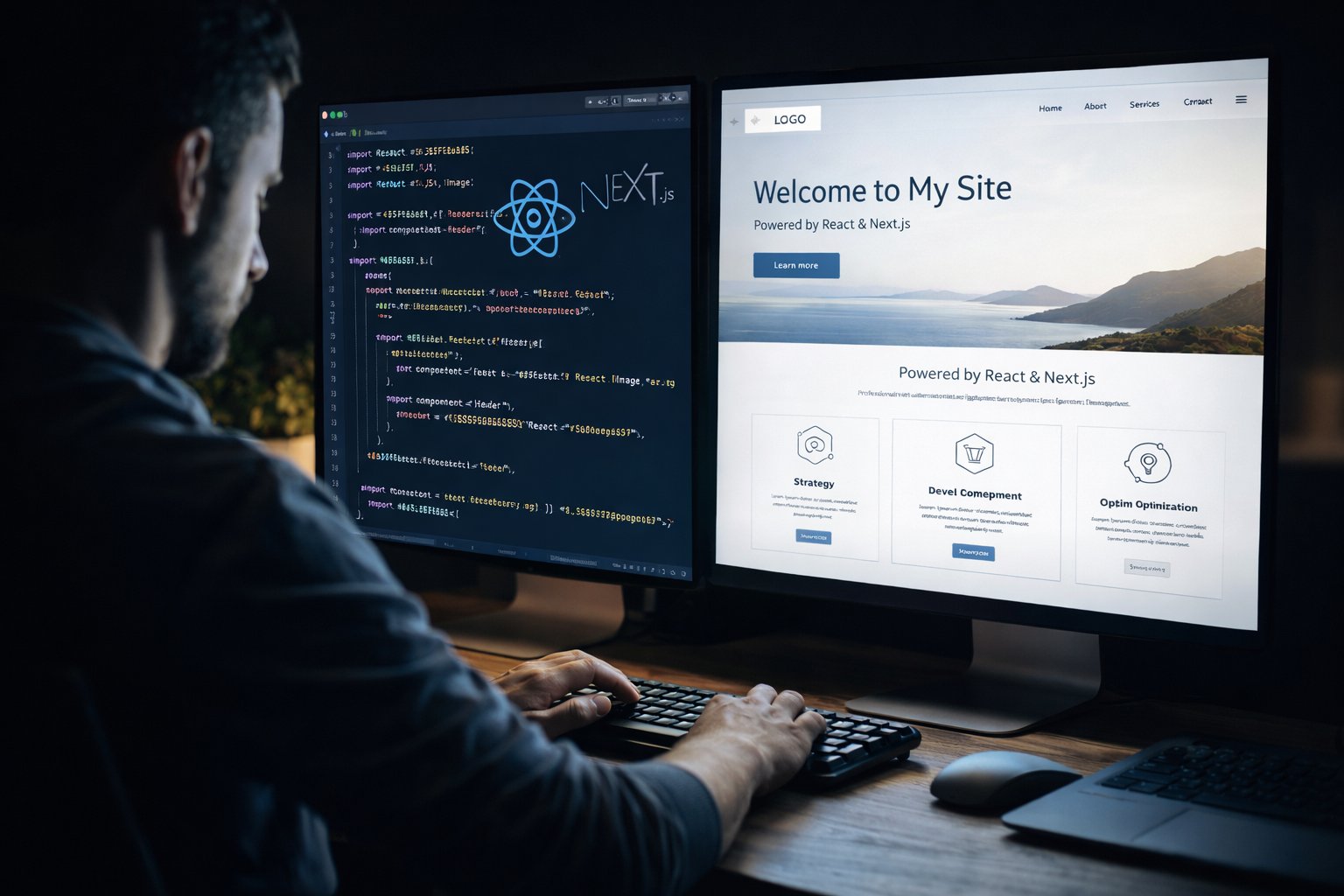
Our developers use frameworks (like React, Next.js, or Webflow) and tools that let us implement these designs responsively and reliably.
Experience Over Aesthetics
We don’t focus on visuals alone. We design and build experiences:
Experiences that feel intuitive, credible, and on-brand
Experiences that reduce friction and build confidence
Experiences that convert intent into action
For your business, this approach turns abstract brand values into concrete results: higher customer confidence, better conversion rates, and a more memorable online presence.
Conclusion -Turning Brand Promise into a Lived Experience
A brand promise isn’t a poster on the wall. It’s the experience you deliver - repeatedly and reliably. When strategy, design, and development work as one system, that promise becomes believable, measurable, and defensible in the market.
If your strategy says one thing, but your website delivers another, the promise breaks. But when your brand promise is clearly defined and translated into thoughtful design, intuitive UX, and reliable performance, your website becomes proof of credibility - not just a presence online. This is where brands win today. Not by saying more, but by delivering better.
At Make My Brand, brand promise is treated as a system - not a statement. The result is a digital experience that doesn’t just look good, but feels right to the user and earns their confidence over time.
Loading FAQs
Please wait while we fetch the questions...
Published on February 16, 2026 by Khushpreet Kaur