
If Your Brand Isn’t Evolving, It’s Already Falling Behind
Brands that stay still eventually lose their edge. Discover why continuous evolution in strategy, design, and customer experience is essential to keeping your brand relevant, competitive, and aligned with what your audience expects next.
In a market where expectations shift in real time, staying the same is what makes a brand invisible. Today, brands aren’t judged by how well they once performed - they’re judged by how quickly they evolve.
Every update in visual identity, messaging, experience, or positioning shapes how the world perceives you. When brands continue operating with yesterday’s identity, story, and digital experience, they silently drift into irrelevance - while their competitors move forward.
At Make My Brand, we’ve seen that the brands thriving in 2025 and beyond are those that prioritize brand evolution strategy, intentional transformation, and a digital-first experience that reflects changing customer behavior.
This blog explores why evolution determines survival, the difference between a brand refresh and a rebrand, how storytelling and digital experience shape relevance, and the framework high-performing brands use to stay future-ready.
The Peril of Stagnation
Stagnation is not neutral - it is decline.
Research consistently shows that innovation is the lifeblood of brand relevance, and when it stops, the consequences are immediate.
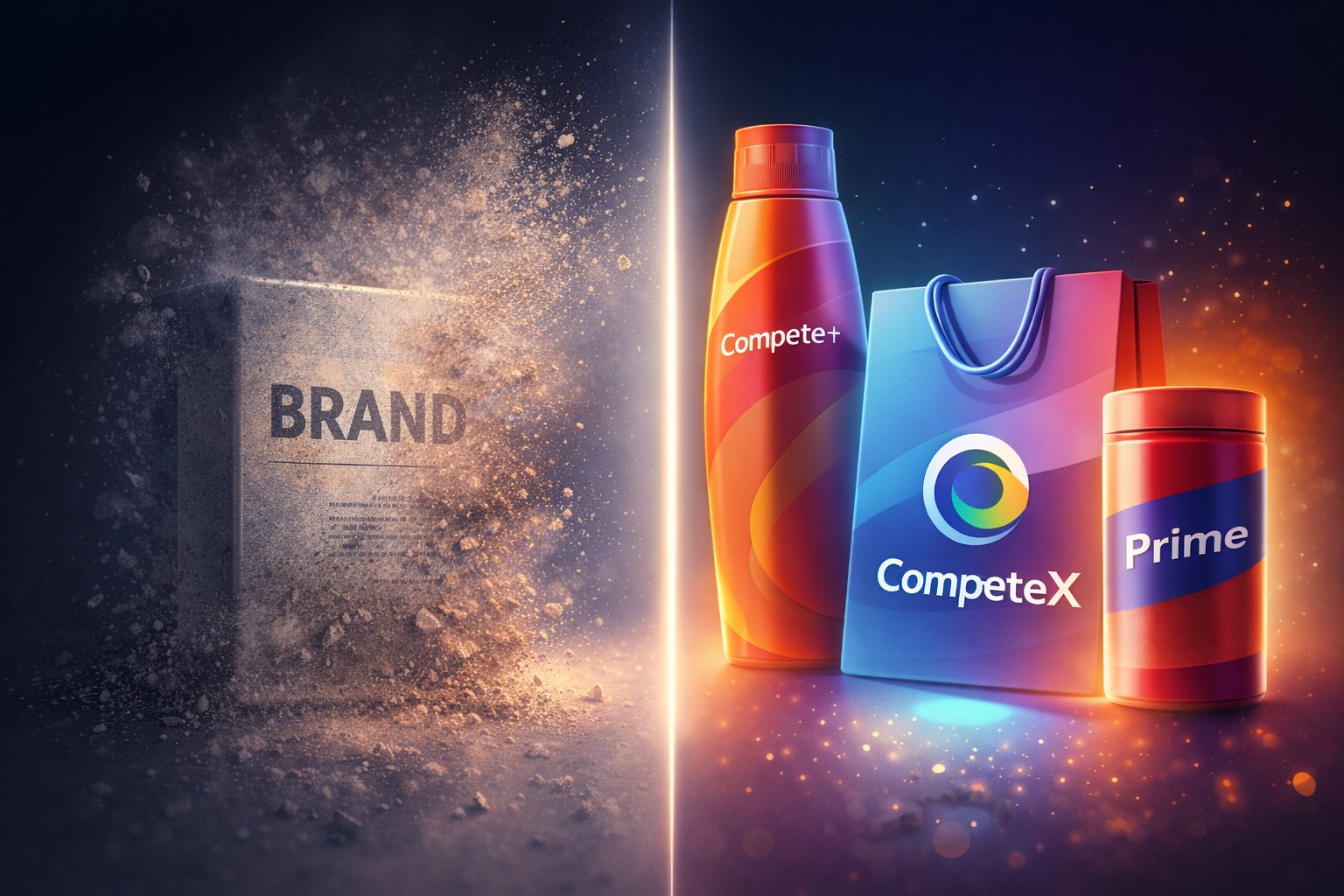
A non-evolving brand faces:
Loss of Competitive Edge: Competitors who innovate - even slightly - appear fresher, more relevant, and more aligned with customer needs. A static brand quickly becomes invisible.
Diminished Relevance: Customer preferences evolve daily. Without adapting: products feel outdated messaging feels disconnected design feels unfamiliar to modern audiences.
This weakens emotional connection and market presence.
Erosion of Brand Equity: Stagnation sends a silent message:
“We’re not listening anymore.”
This erodes trust and pushes customers toward more responsive competitors.
Declining Performance: Without new offerings or improved experience, conversions drop and sales slow - long before leadership notices.
Talent Drain: Top talent wants dynamic, forward-thinking brands. Stagnation hurts culture, morale, and retention.
In short:
If your brand isn’t changing, it’s not standing still. It’s dying.
Brand Refresh vs. Rebrand: Choosing the Right Evolution
Not every evolution needs to be radical. Brands often confuse a refresh with a rebrand - yet the difference between the two determines cost, effort, and long-term direction.
Brand Refresh
A strategic update that keeps the foundation intact while modernizing brand identity elements.
Examples:
updated color palette
modernized logo or typography
refined messaging tone
refreshed brand imagery
This is ideal for brands that simply need to stay current and relevant.
Rebrand
A full transformation of brand identity and positioning.
This includes:
new brand strategy
new value propositions
repositioning within the market
new brand architecture
sometimes a new name altogether
Rebrands are necessary when:
the current identity no longer fits
the market has shifted
the audience has changed
the brand wants to enter new segments
At Make My Brand, we analyze positioning, perception, data insights, and industry shifts to determine which direction a brand needs - refresh or rebrand - ensuring ROI is clear and intentional.
Still confused? Explore here: Brand Refresh vs. Rebranding

Modern Brand Identity Design: More Than a Logo Refresh
A future-ready brand identity is flexible, scalable, digital-first, and emotionally resonant.
It doesn’t just “look good” - it communicates purpose, direction, and personality.
Today’s strongest identities rely on:
Flexible Design Systems
Responsive logos, adaptive layouts, extended color palettes - built for mobile, social, and multi-screen environments.
Technology-Driven Iteration
Brands now use AI and data-driven tools, and rapid prototyping to refine UI/UX design elements in real time. The point is to build a branding system – not a static logo – that can grow.
Identity isn’t static - it evolves.
Consistency Without Rigidity
Print, web, mobile, social, packaging, experiential – brand identity must perform consistently everywhere. Consistency builds trust while flexibility builds longevity.
For instance, in one case, Make My Brand created a cohesive visual identity for an IT firm, aligning the logo, typeface, and colors across every medium. This consistency “strengthened market trust and recognition”, demonstrating that fresh design drives familiarity and confidence.
The Evolution of Brand Storytelling: From Narratives to Experiences
Brand storytelling is no longer about what a brand says - it’s about what customers feel.
Modern storytelling requires:
authenticity
community-driven narratives
value-led messaging
real stories from customers
video-first and interactive formats
Consumers today seek brands that stand for something, not just sell something.
A powerful example is Airbnb, whose storytelling shifted from “book a room” to “belong anywhere.”
This emotional framework helped create a global community-driven brand.
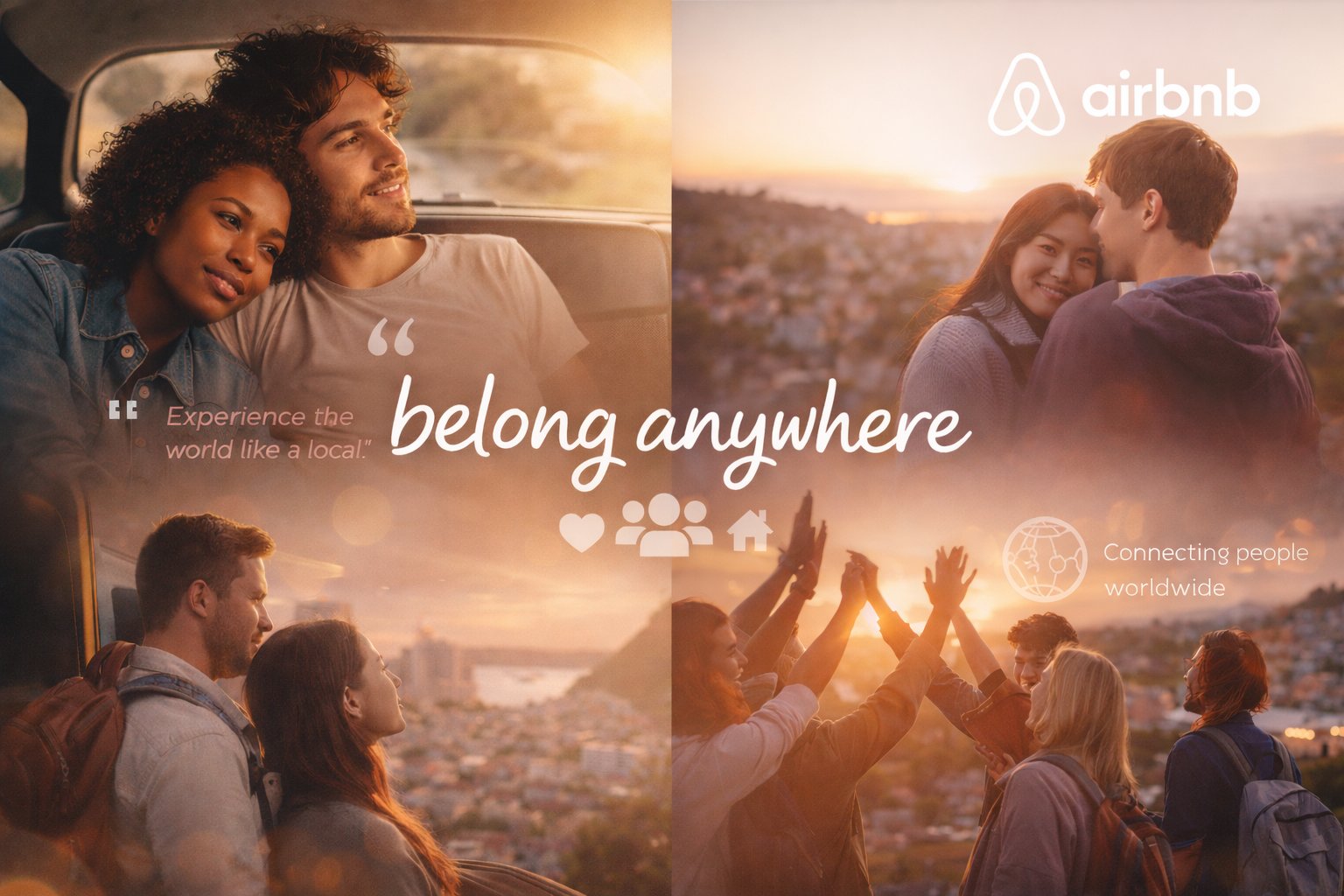
At Make My Brand, we guide brands to evolve their narrative, so it aligns with purpose, values, and modern consumer psychology - ensuring stories that resonate deeply in a digital-first era.
Optimizing the Digital Brand Experience
In 2026, the experience that a brand will deliver – especially online – will be as important as its logo or ad campaign. Digital brand experience optimization means ensuring that every interaction is on-brand, seamless, and engaging.
Optimize websites for speed and mobile use, tailor content to user segments, and use data to personalize touchpoints.
Digital brand experience optimization ensures that every digital touchpoint is:
fast
seamless
personalized
visually aligned
emotionally engaging
This includes:
website experience
mobile responsiveness
app UX
content strategy and personalization
SEO alignment
marketing automation
social presence
Key marketing + branding trends fueling this optimization:
AI-Driven Personalization: Generative AI and predictive analytics enable real-time, hyper-tailored customer journeys. According to Adobe’s 2025 Digital Trends Report, 65% of senior leaders cite AI and predictive analytics as primary growth drivers.
Conversational & Agentic AI: AI-powered agents have become growth engines. They personalize interactions, reduce friction across funnels, and proactively move users toward higher-value actions. This transforms customer support and marketing into a unified, real-time engagement layer.
Hyper-Personalized Campaigns: Sophisticated AI models deliver deeply customized offers and content. According to industry studies, roughly two-thirds of organizations report active generative AI in content personalization.
Multimodal Search & SEO: With the rise of voice assistants and image-based search, brands must optimize for voice- and vision-based queries.
Marketing Automation & Predictive Journeys: Automation platforms are increasingly leveraging AI to orchestrate user journeys from email to app notifications boosting efficiency and effectiveness.
Omnichannel Branding + Experience Consistency: Customers expect cohesion across web, mobile, social, and even experiential touchpoints, anchored in the same brand identity and story.
Why it matters:
Consumers now expect real-time relevance - and 86% say they are willing to pay more for a better experience.
Hyper-personalized experiences increase engagement and conversion by making each touchpoint more relevant.
Conversational AI and real-time adjustments allow for better lead nurturing and customer retention.
Proven results:
We worked with a client to revamp their website and enhance their SEO strategy. Aligning their digital presence with a consistent brand identity and optimizing each touchpoint led to a 60% increase in organic users over 3 years and conversions rose to 819. This demonstrates how a digital-first approach paired with consistent branding drives measurable results.
Case Study: Walmart’s Digital-First Refresh
Global brands provide striking examples of this evolution. In early 2025, retail giant Walmart unveiled a brand refresh that underscores the power of adapting to digital realities.
Even global leaders must evolve to stay relevant.
Walmart introduced a refreshed brand identity that blends its heritage with modern innovation.
The updated look features a custom word‑mark inspired by Sam Walton’s classic trucker hat, a revitalized color palette of True Blue and Spark Yellow, and the spark icon now stands as a standalone symbol of the brand’s energy.
The refreshed design is subtle, “very much an evolution versus a revolution,” in Walmart’s words – but purposeful.
The rollout spans digital platforms (website, app) and physical stores, signaling the brand’s commitment to meeting customers “however they need us.”
As Walmart’s creative VP explained, the goal was aligning the visual identity with “how the brand has evolved since 2008” into a digital-first retailer.
Walmart’s leaders also said the new identity will “help Walmart build credibility and connection” and be seen as “a more modern, culturally dynamic brand”. Notably, this refresh coincided with strong business results: global e‑commerce sales grew by 22% with a digital mix-up across all segments, reflecting the brand’s successful digital push.
Walmart’s case shows how even an established brand benefits from change. By updating its design and messaging, it reinforced its brand transformation goals and maintained relevance in both online and offline markets.
The Brand Development Life Cycle (BDLC): A Continuous Framework
Sustaining change requires a structured approach. One proven method is the Brand Development Life Cycle – a framework by Make My Brand that embeds evolution at every phase.
The BDLC comprises seven stages:
Brand Foundation,
Brand Identity & Visual System,
Digital Presence Setup,
Brand Visibility & Launch,
Growth & Performance Optimization,
Leadership Positioning & Community, and
Ongoing Brand Evolution.
In practice, this means defining your brand’s vision and values (foundation), crafting a modern visual identity, setting up scalable digital platforms, optimizing growth efforts, and continuously refreshing positioning.
As Make My Brand explains, “BDLC drives focused growth by integrating accountability into every step, giving your brand the clarity and confidence to lead”. In other words, brand change isn’t a one-off event but a disciplined journey. By following a roadmap, businesses keep evolving on purpose rather than by chance.
Avoiding Brand Positioning Mistakes That Slow Growth
Even with a clear plan, brands must avoid common missteps.
A brand positioning strategy that lacks focus or ignores market shifts can undermine relevance. Typical brand positioning mistakes include not defining the target audience clearly, neglecting competitor analysis, or holding onto outdated messaging. These errors erode differentiation and confuse customers.
To prevent this, ensure your positioning reflects current customer needs and creates a competitive environment.
Update your brand story accordingly: use fresh narratives and evidence of your impact. (For instance, brands today often share customer success stories or values-driven content on social platforms.)
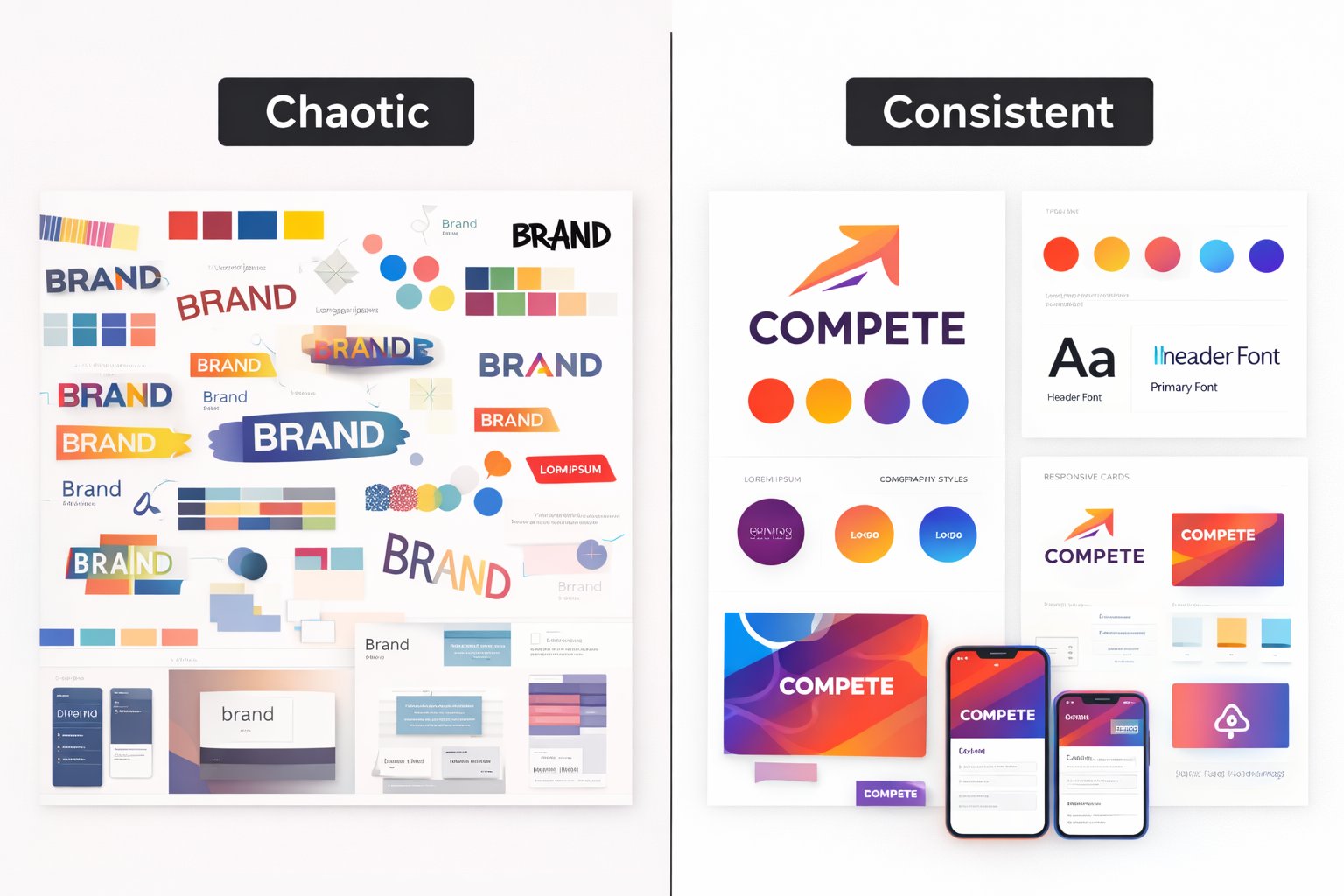
Likewise, inconsistent presentation hurts recognition. All visual and verbal brand elements must align across channels.
A modern brand identity design should work in print, web, mobile, and beyond, with clear guidelines so that every piece of communication looks and sounds like “one brand.”
According to research, consistent branding can boost revenue by up to 20% (by making campaigns and experiences more memorable and trustworthy).
Conclusion: Evolve With Purpose. Lead With Confidence.
The path forward is clear:
Brands that evolve will lead. Brands that resist change will fade.
Every refresh, story, experience, and digital upgrade sends a signal -
“We are alive. We are listening. We are future-ready.”
In 2026 and beyond, growth belongs to brands that embrace:
strategic evolution
modern identity systems
digital transformation
authentic storytelling
consistent experience
continuous innovation
At Make My Brand, we help companies build future-ready brand strategies that balance legacy with modern relevance, emotion with technology, and creativity with performance.
If your brand is ready to evolve intentionally and becomes impossible to ignore -
we’re ready to guide you.
Loading FAQs
Please wait while we fetch the questions...
Published on December 16, 2025 by Abhishek Vasudev